How can you make your Arizona yard less attractive to snakes, especially rattlesnakes, without giving up the desert lifestyle you love?
You focus on controlling food, water, shelter, and access points in your yard so snakes have fewer reasons to show up, while still respecting Arizona wildlife guidelines and local fire department safety tips.
What “snake‑proofing” an Arizona yard really means
Snake‑proofing doesn’t mean you’ll never see a snake; it means your yard is deliberately designed and maintained so it’s a less appealing place for snakes to hide, hunt, or travel through.
In the Phoenix area, that usually involves reducing rodent activity, tightening up fences and gaps, and simplifying landscaping features that create cool, shaded hiding spots close to the home. Arizona State University extension services note that these changes can make a big difference in urban-desert contact zones.
Why snakes choose certain yards: food, water, and shelter
Snakes follow opportunity: if your yard provides food (rodents, lizards), water (leaking irrigation, birdbaths), and shelter (thick plants, clutter), you’re more likely to get visits.
Homes near desert edges, washes, and preserved open space can see more rattlesnakes because development pushes human neighborhoods into traditional snake habitat. Maricopa County environmental services track these patterns.
Landscaping styles that quietly invite snakes
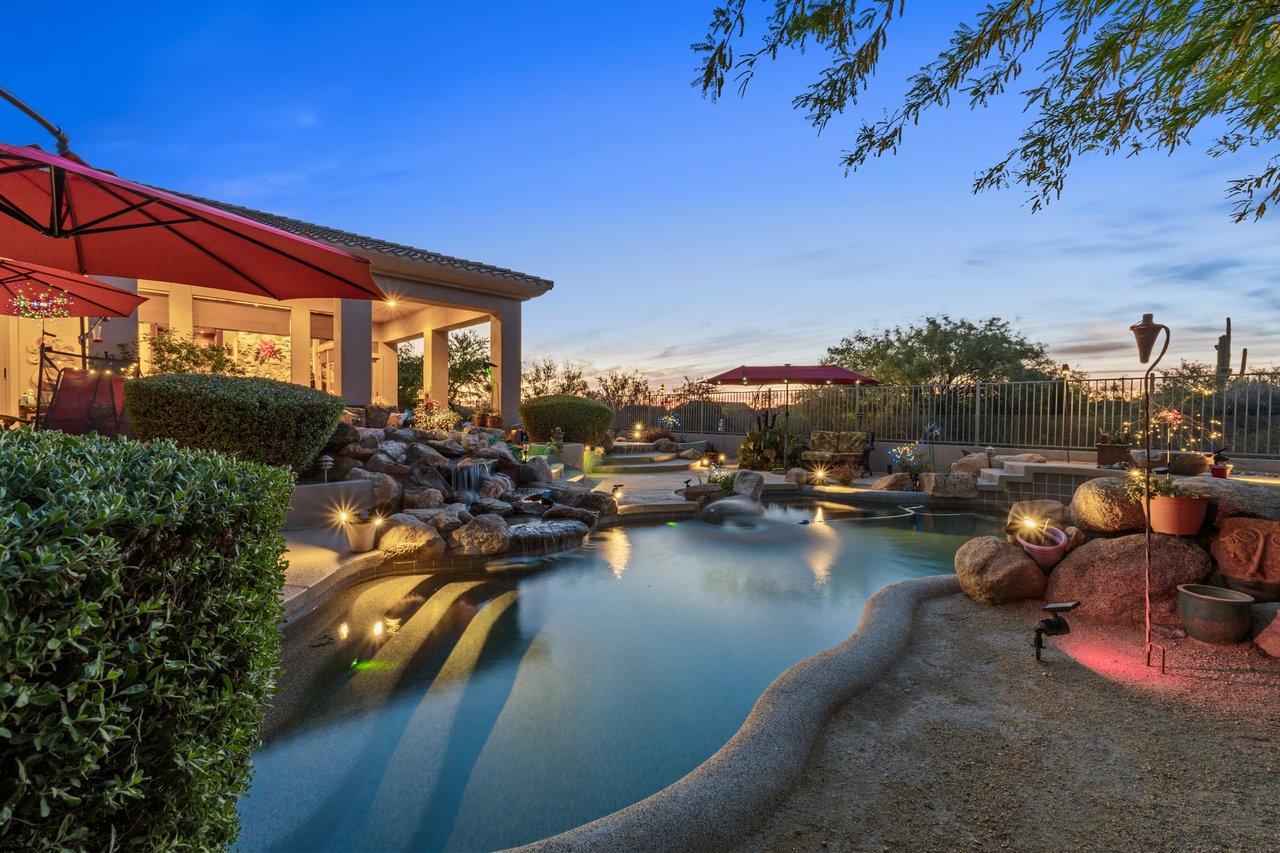
Dense groundcovers, thick shrubs against walls, stacked rock features, and heavy decorative boulders all create cool, shaded pockets where snakes can hide during hot months.
You don’t have to remove every desert feature, but thinning vegetation, raising shrub canopies off the ground, and breaking up continuous hiding areas can make your yard less comfortable for snakes. University of Arizona Cooperative Extension recommends these adjustments.
Yard cleanup: clutter, woodpiles, and debris
Piles of lumber, firewood, bricks, pool equipment, and long‑ignored “temporary” junk give rodents and insects cover, which in turn attracts snakes.
Aim to store wood and materials off the ground and away from the house, keep playhouses and storage boxes tidy underneath, and clear out unused items along walls and in corners. City of Scottsdale safety awareness supports this approach.
Managing water, irrigation, and shade
Leaky drip lines, constantly damp soil, birdbaths, pet water bowls, and even AC condensation lines can pull in both prey and snakes looking for a drink.
Check your irrigation regularly, fix leaks, avoid over‑watering, and place water features away from doors and main walkways so any wildlife activity happens farther from where you step.
Snake‑resistant fencing and common mistakes
Perimeter walls and fences work best against snakes when they’re solid, at least about four feet high, with no gaps or eroded wash‑outs underneath.
If you add mesh or “snake fencing,” experts recommend small openings (around 0.25‑inch hardware cloth), proper attachment to the ground, and attention to gates and drainage so you don’t create new gaps or flooding issues. Arizona Game and Fish Department provides guidance on humane options.
Why rodent activity matters
Rodents are a major food source for rattlesnakes around Arizona homes, so managing rodent attractants is one of the most effective long‑term strategies.
Secure trash, feed pets indoors when possible, keep grills and outdoor kitchens clean, and work with pest professionals if you notice ongoing rodent issues around the property. Maricopa County Vector Control monitors these issues.
Snake encounters near doors, garages, and entry points
Snakes can slip under poorly sealed doors, through gaps in weather‑stripping, or into cluttered garage corners where cool concrete and stored items create perfect hiding spots.
Install or replace door sweeps, seal obvious gaps around garage and patio doors, keep garage floors as clear as possible along the edges, and use a light to check porches and steps before heading out at night. Northwest Fire District safety tips emphasize these habits.
Myths about repellents and “quick fixes”
Many over‑the‑counter “snake repellents,” strong‑smelling home remedies, and ultrasonic gadgets don’t have strong evidence behind them, especially in complex desert yards.
Your time and money usually go further when you focus on habitat changes—landscaping, clutter, rodents, and fencing—rather than relying on a single product to keep snakes away.
When to call professionals and stay prepared
If you have a snake in or very close to the house, local fire departments or licensed wildlife/snake relocation services can safely remove it, and in Arizona those services must follow state licensing rules.
Keeping a charged phone handy outside, using a flashlight at night, and teaching household members simple awareness habits can make living in Phoenix‑area neighborhoods with native wildlife feel more manageable over time.
Ready to enjoy your Arizona home with more confidence?
Loretta Sernowski - REMAX Fine Properties knows the Phoenix area, including how to spot properties with smart landscaping that already minimizes wildlife issues like snakes.
Whether you’re buying your first Arizona home or selling to upgrade, she can help you navigate what matters in Maricopa County neighborhoods.
Contact Loretta Sernowski - REMAX Fine Properties today to schedule a no‑obligation conversation about your real estate goals.
Visit bravoteamarizona.com for local market updates and to get started.